Resistance
- Home
- Resistance
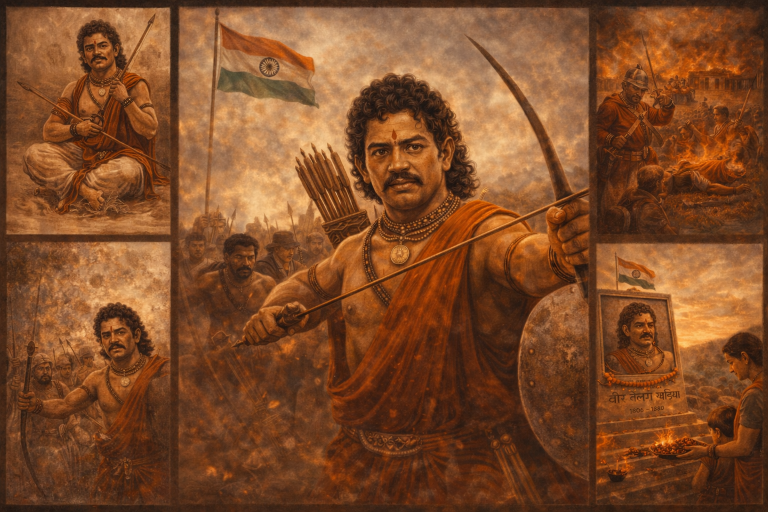
The Tribal Resistance Movement Led by Telanga Kharia
What Was the Movement?
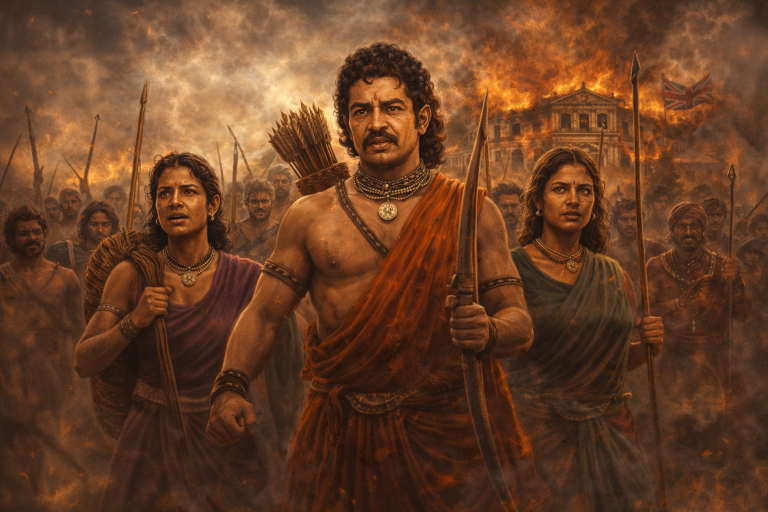
During the 19th century, British colonial authorities and allied Zamindars imposed oppressive land revenue systems, forced taxation, and administrative interference in tribal self-governance across present-day Jharkhand. Traditional land ownership patterns were disrupted, forests were controlled, and indigenous communities were subjected to exploitation and humiliation.
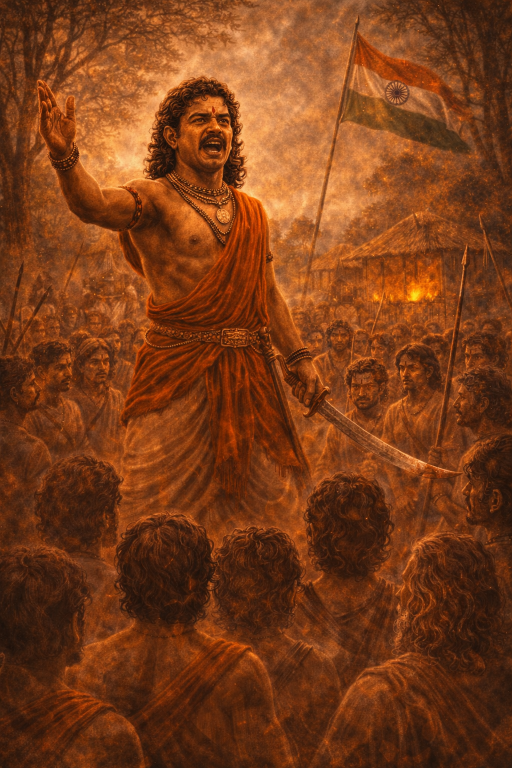
In response to these injustices, Telanga Kharia emerged not merely as a rebel, but as an organized resistance leader. He mobilized tribal youth, village heads, and warriors to defend their ancestral land, dignity, and autonomy.
This was not a spontaneous uprising — it was a structured movement rooted in unity, discipline, and collective responsibility.
Objectives of the Movement
The resistance led by Telanga Kharia was guided by clear principles rooted in justice, dignity, and indigenous self-determination.
Protection of tribal land and forest rights
Resistance against British colonial administrative control
Opposition to exploitative Zamindari taxation practices
Preservation of tribal self-rule and traditional governance systems
Defense of cultural identity and ancestral customs
Safeguarding community dignity and autonomy
The movement sought not conquest, but justice, dignity, and the rightful preservation of indigenous autonomy.
🏹 Organization & Strategy
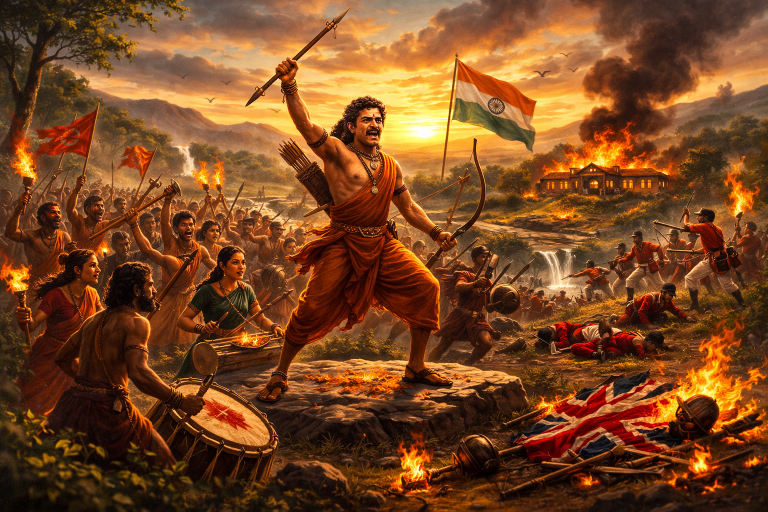
Telanga Kharia believed that resistance without structure would collapse. Discipline, coordination, and unity were the foundation of his movement.
- Established disciplined groups of trained tribal warriors
- Organized regular strategic gatherings
- Created strong communication between villages
- Ensured collective decision-making before action
- Built alliances among Kharia and neighboring tribes