
Timeline

Timeline Legacy Of Telanga Kharia

The life of Telanga Kharia reflects the courage and determination of early tribal resistance against colonial domination. From his formative years shaped by indigenous traditions to his leadership in organized opposition against British policies, each phase of his journey strengthened the collective spirit of his people. This timeline traces the key milestones that defined his legacy and enduring impact.

Early Life & Traditional Training

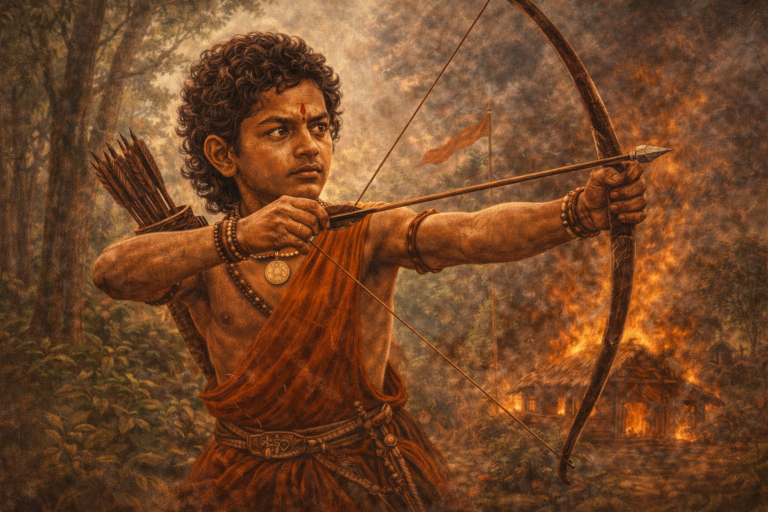
Born into the Kharia tribal community in the early 19th century, Telanga Kharia was raised within a culture rooted in self-governance, forest wisdom, and collective responsibility. From a young age, he received traditional training in archery, survival skills, and community leadership customs that shaped his future role as a defender of tribal rights.

Rise as a Tribal Leader

As British colonial policies began disrupting land rights and indigenous governance, Telanga Kharia emerged as a respected local leader. He organized community meetings, mobilized tribal youth, and strengthened traditional institutions to resist external control and exploitation.

Organized Resistance Against Colonial Rule

Through coordinated efforts and community solidarity, he led resistance movements aimed at protecting ancestral lands and forest resources. His leadership symbolized dignity, justice, and unity, inspiring surrounding regions to question colonial authority and defend their autonomy.

Martyrdom – 23 April 1880

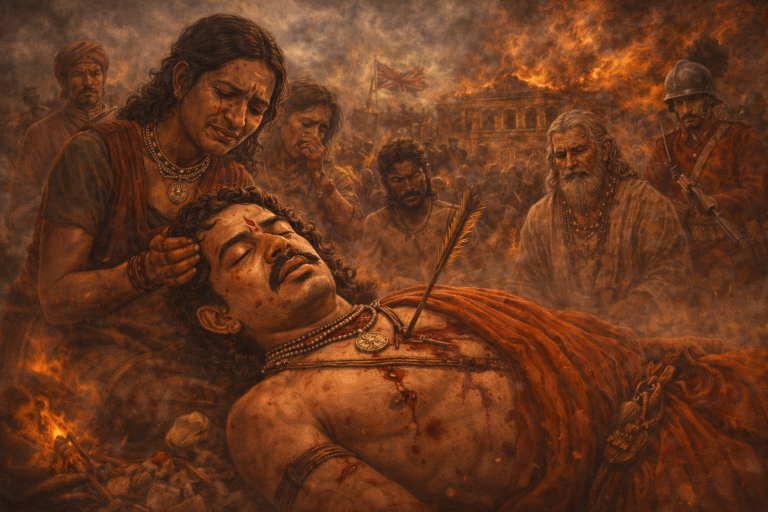
Telanga Kharia was assassinated on 23 April 1880 due to his revolutionary activities. Though his life was cut short, his martyrdom transformed him into a lasting symbol of courage and resistance. His sacrifice strengthened tribal resolve and became embedded in the broader history of indigenous struggle in eastern India.

Telanga Kharia – Historical Timeline

Early 19th Century

Birth & Tribal Roots

Telanga Kharia was born in the Kharia tribal community of present-day Jharkhand. His early life was shaped by forest traditions, indigenous customs, and a strong system of community governance.
Youth Years

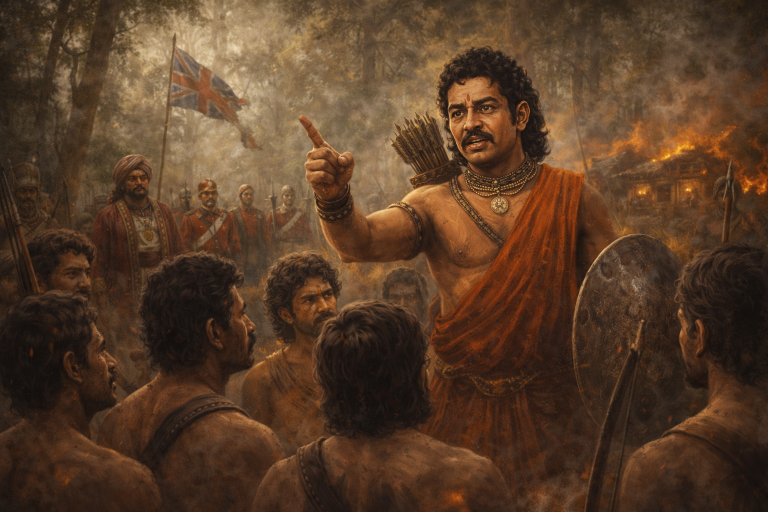
Warrior & Leadership Training

He mastered archery, traditional weapons, forest survival skills, and tribal leadership principles rooted in courage, justice, and collective responsibility.
Mid 19th Century

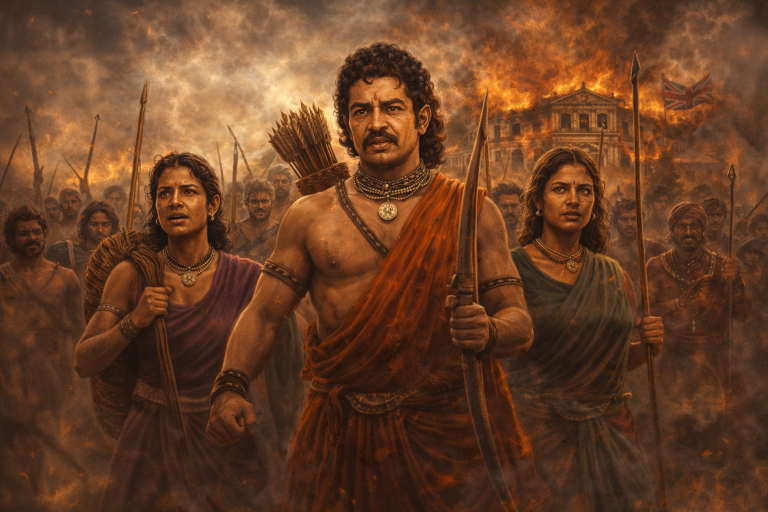
Colonial Interference

Increasing British interference in land rights and tribal governance disrupted traditional systems, creating growing unrest among indigenous communities.

Organized Resistance

Mobilization Against Exploitation

Telanga Kharia mobilized tribal communities to resist exploitative policies and defend ancestral lands, strengthening unity and collective resistance.
Late 19th Century

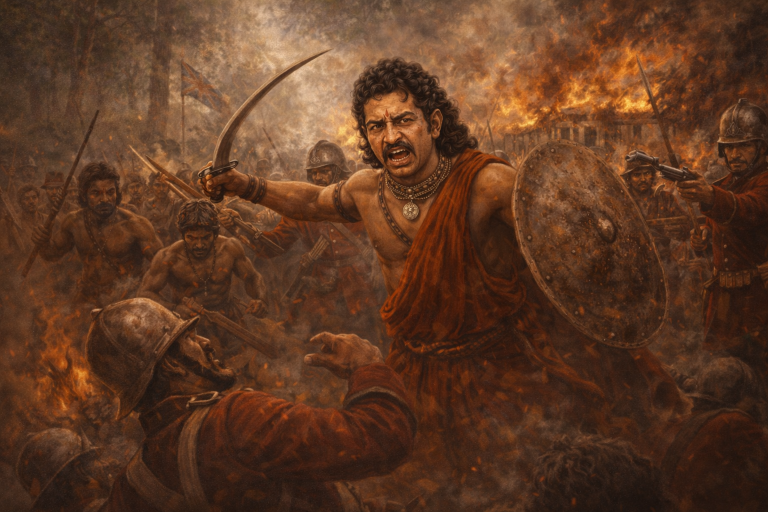
British Crackdown

Colonial authorities intensified efforts to suppress tribal uprisings as Telanga Kharia’s influence expanded across the region.
23 April 1880

Martyrdom

Telanga Kharia was assassinated for his revolutionary activities. His sacrifice strengthened tribal resolve and became part of regional resistance history.

Late 19th Century

Oral Traditions

His legacy survived through tribal folklore, songs, and oral narratives passed down across generations in Jharkhand.
Present Day

Symbol of Indigenous Pride

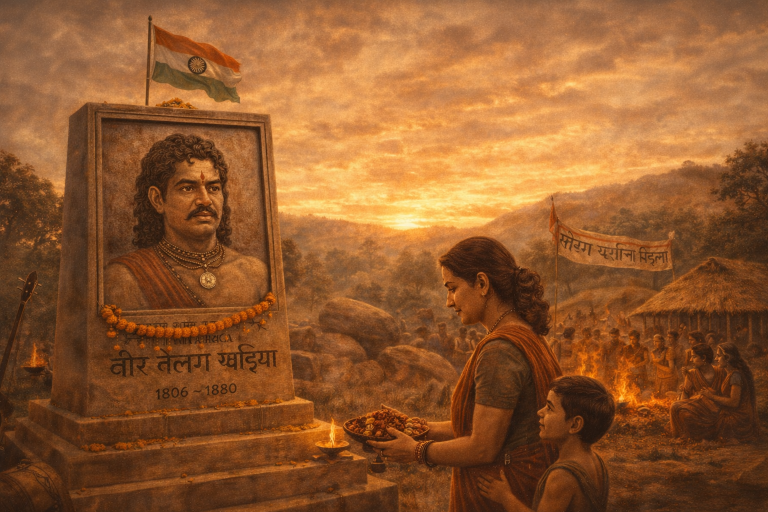
Today, Telanga Kharia is remembered as one of Jharkhand’s early tribal freedom fighters and a lasting symbol of indigenous rights, resistance, and cultural dignity.

Scroll to Top