
Legacy
- Home
- Legacy
Sacrifice & Martyrdom
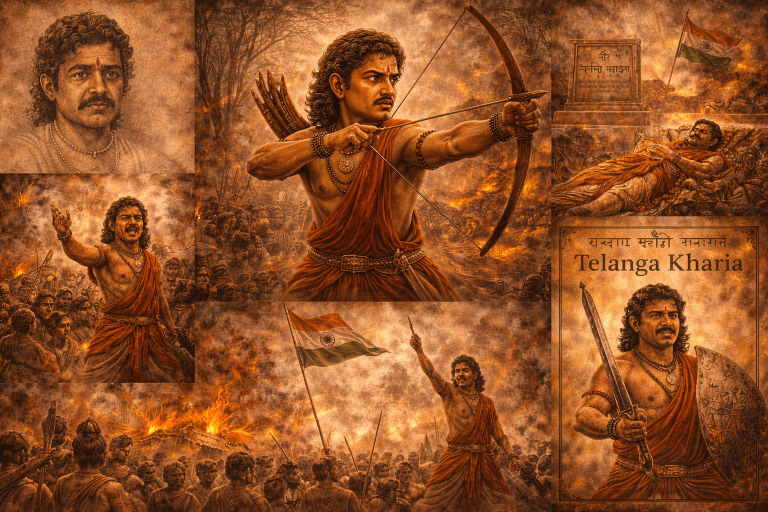
Telanga Kharia was assassinated on 23 April 1880 as a direct consequence of his revolutionary activities against British colonial authority. His growing influence among tribal communities and his organized resistance made him a significant threat to colonial administration. Determined to suppress indigenous uprisings, the authorities sought to silence his leadership permanently.
However, his death did not end the movement he had ignited. Instead, his martyrdom deepened the resolve of tribal communities across the region. The sacrifice of Telanga Kharia transformed him from a local leader into a lasting symbol of courage, resistance, and devotion to his people. His name became associated with dignity, self-governance, and the defense of ancestral lands.
Over time, his martyrdom became embedded in regional resistance history, inspiring future generations to continue the struggle for justice and indigenous rights. Even in death, Telanga Kharia strengthened the spirit of collective unity and resistance among tribal communities.
Historical Significance
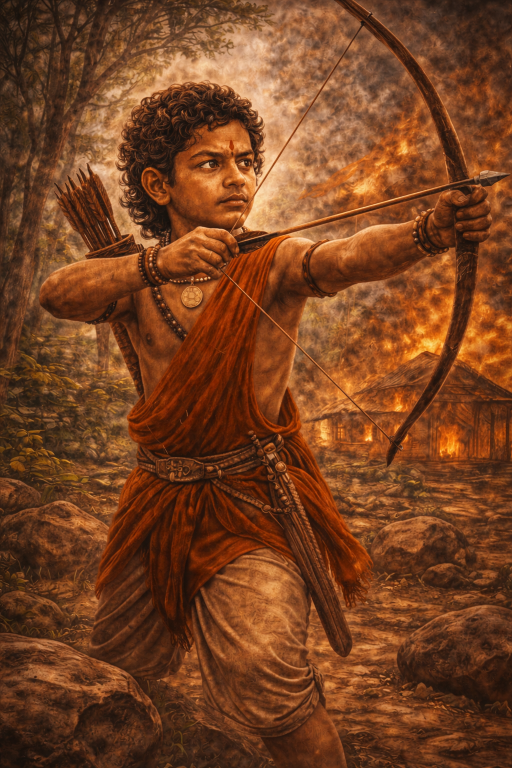
Telanga Kharia stands among the early tribal freedom fighters of India who challenged colonial authority long before organized national movements gained momentum. At a time when indigenous voices were often ignored or suppressed, he emerged as a courageous leader determined to defend the rights and dignity of his people.
He firmly opposed British colonial exploitation, particularly policies that disrupted traditional land ownership, forest rights, and tribal self-governance. By mobilizing local communities and resisting unjust administrative control, he demonstrated that tribal regions would not passively accept external domination.
As a defender of indigenous governance, Telanga Kharia upheld systems rooted in community consensus, collective welfare, and ancestral customs. His leadership emphasized unity, cultural pride, and the protection of traditional institutions that had sustained tribal society for generations.
Recognition Today
- Honored in Jharkhand’s tribal history
- Remembered in cultural programs and educational research
- Celebrated during regional heritage observances